
Film & Synthetic · AL-F
Film & Synthetic Label Materials
BOPP, PE, PET, PVC and PP synthetic facestocks for labels that must survive water, oil, cold, squeezing and abrasion.
- Film facestocks
- 7
- Max jumbo width
- 1,600 mm
- Sample dispatch
- 48 h
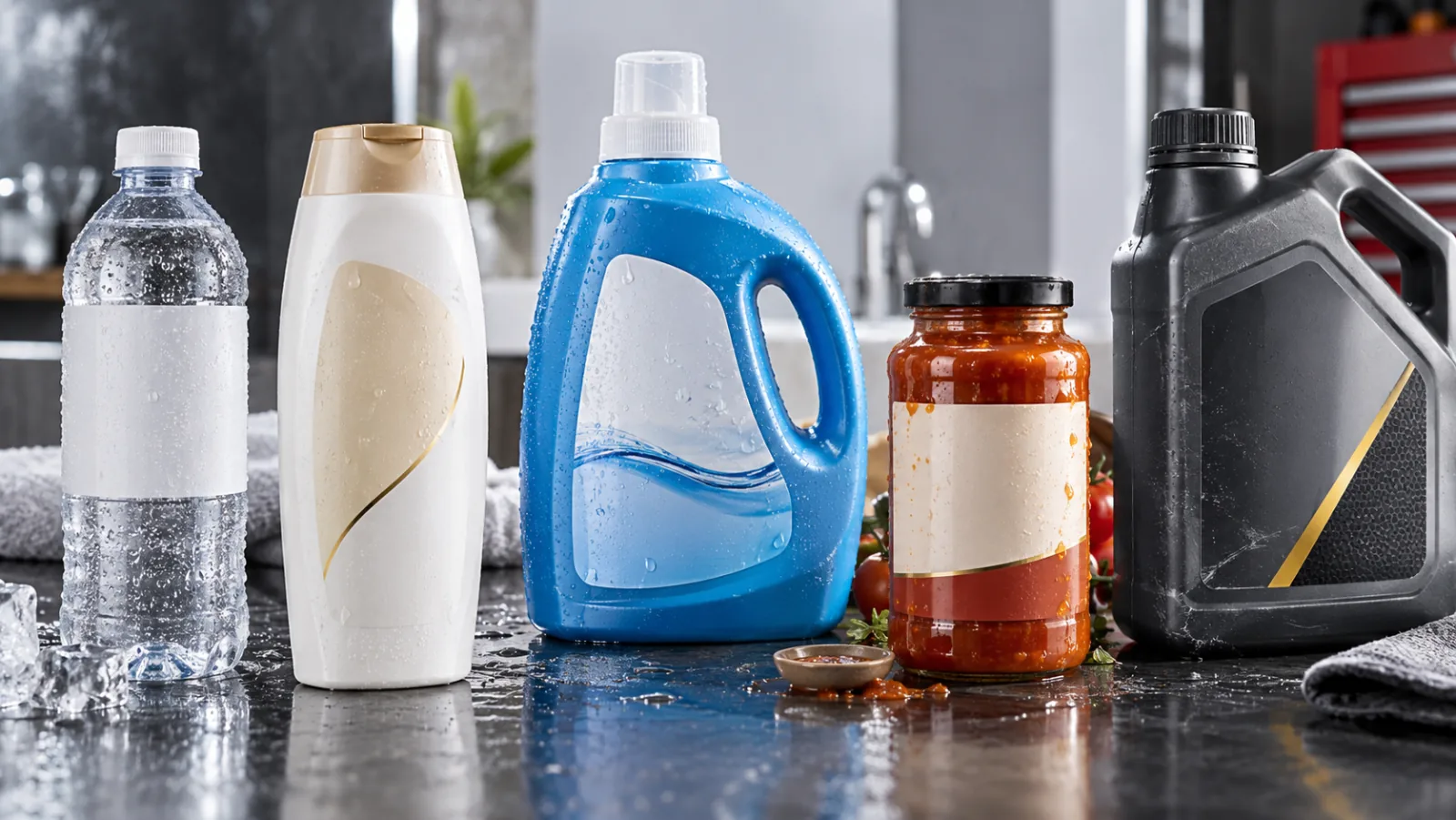
When should you use film instead of paper label material?
Use a film facestock whenever the label will meet moisture, oil, chemicals, deep cold, outdoor exposure or mechanical abuse — or when the container is squeezed or has a tight radius. Films do not absorb water, do not tear along a fibre and stay flexible, so the label keeps its shape and legibility through the whole life of the pack.
The main families differ by stiffness and cost. BOPP is the volume workhorse (white, clear or metallized) for bottles and cosmetics. PE is soft and conformable for squeeze tubes. PET is stiff and heat- and chemical-resistant for durable industrial labels. PVC/vinyl is flexible and tough for outdoor and warning labels. PP synthetic paper adds a matte, paper-like, writable face to a tear-proof film.
Film family comparison
| White / clear BOPP | 50 – 60 µm · waterproof · bottles, cosmetics, chemicals |
|---|---|
| Metallized BOPP | 50 µm · metallic finish · beverage and premium packaging |
| PE (polyethylene) | 85 – 100 µm · conformable · squeeze tubes and bottles |
| PET (polyester) | 23 – 50 µm · heat/chemical resistant · industrial, ratings plates |
| PVC / vinyl | 80 – 100 µm · flexible, durable · outdoor and warning labels |
| PP synthetic paper | 80 – 120 µm · matte, writable, tear-proof · tags and durables |
| Common liners | PET 23 – 30 µm or glassine 60 – 65 gsm |
| Roll format | Jumbo up to 1,070 mm; slit from 20 mm, 3" or 6" core |
Values are typical for standard constructions and are not a guaranteed specification. Ask for the datasheet for tolerances and test methods.
Typical applications
- Beverage, detergent and personal care bottles
- Squeeze tubes, sachets and flexible packaging
- Chemical drums and industrial equipment
- Cold-chain and freezer packaging
- Outdoor equipment, warning and rating labels
Frequently asked questions
- Which film gives the no-label look?
- Clear BOPP with a clear (crystal) permanent adhesive on a transparent container. Print white as an opaque base only where you need it, and the rest of the label disappears into the pack.
- Do film labels need a special print process?
- Films are non-absorbent, so use UV flexo, UV offset, or digital presses with a compatible topcoat. Water-based inks need a topcoated film to anchor.
- Are film labels recyclable?
- They can be. Match the label polymer to the container polymer (PP or PE label on a PP/PE pack), or use a wash-off adhesive so the label separates in the PET recycling wash.
- What is the MOQ and roll width for film label material?
- One jumbo roll (up to 1,070 mm wide, slit from 20 mm) for any standard BOPP, PE, PET, PVC or PP synthetic grade. Custom adhesive or liner combinations start at 500 kg and add to the standard lead time.
- Which adhesive should I select for film label material?
- Start from the container surface and environment: general-purpose permanent acrylic for dry rigid plastics, hotmelt high-tack for low-energy or recycled surfaces, freezer-grade acrylic for sub-zero application, and wash-off acrylic where the label must separate cleanly during PET bottle recycling.
- Can I get free samples of film label material before ordering?
- Yes. Tell us the container material, environment and print process and we will send free A4 samples of the recommended film construction together with the datasheet, usually within 48 hours, so you can validate the bond first.
Still deciding? Ask for a sample roll
Tell us the facestock, adhesive and application. We send free A4 sheets or a test roll with the datasheet, and quote MOQ, lead time and FOB pricing within one working day.
Related materials and guides
Range
Materials in this range
- 01
White BOPP
White BOPP self-adhesive label material: waterproof, tear-resistant film label stock for cosmetics, chemical and bottle labels. Jumbo rolls.
- 50 – 60 µm
- Waterproof, tear-resistant, opaque
- 02
Clear BOPP
Clear (transparent) BOPP self-adhesive label material for the no-label look on bottles and cosmetics. Custom adhesive and roll specs.
- 38 – 50 µm
- No-label look, high clarity
- 03
Silver Metallized BOPP
Silver metallized BOPP self-adhesive label material for premium metallic-effect labels. Waterproof film stock, custom adhesive and rolls.
- 50 – 60 µm
- Bright chrome effect, moisture-stable
- 04
PE Film
White and clear PE (polyethylene) self-adhesive label material: conformable, squeezable film for tubes and squeeze bottles. Custom rolls.
- 60 – 100 µm
- Soft, squeezable, highly conformable
- 05
PET Film
PET (polyester) self-adhesive label material: white, clear, matte and silver. Heat- and chemical-resistant film for durable industrial labels.
- 23 – 50 µm
- Dimensionally stable, solvent-resistant
- 06
PVC & Vinyl
PVC / vinyl self-adhesive label material: flexible, durable film for outdoor, industrial and warning labels. Custom adhesive and rolls.
- 60 – 100 µm
- Flexible, deep-draw conformable
- 07
PP Synthetic Paper
PP synthetic paper self-adhesive label material: tear-proof, waterproof paper-feel film for durable labels and tags. Custom roll specs.
- 60 – 95 µm
- Paper-look, tear-proof, writable
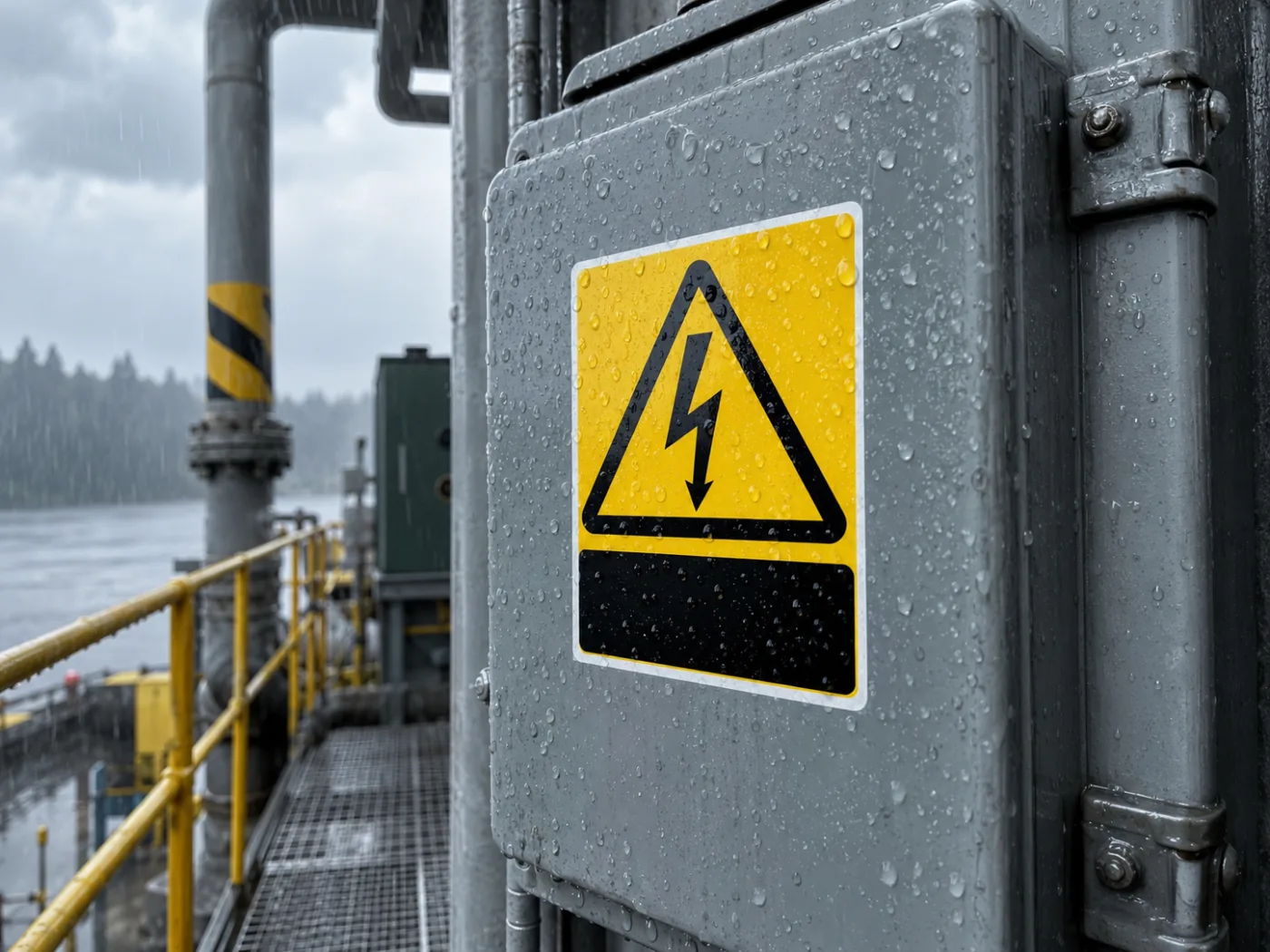
Application performance
Film labels for wet and demanding environments
BOPP, PET, PE and PVC facestocks resist moisture and tearing better than standard paper. Match the film with an adhesive suited to the container surface, application temperature and outdoor or chemical exposure.
Specification matrix
Film & synthetic facestocks — specification matrix
Film constructions compared on caliper, conformability, chemical and temperature resistance, and press compatibility.
White BOPP
- Caliper
- Key property
- Recommended adhesive
- Service temperature
- Print methods
- Typical applications
Clear BOPP
- Caliper
- Key property
- Recommended adhesive
- Service temperature
- Print methods
- Typical applications
Silver Metallized BOPP
- Caliper
- Key property
- Recommended adhesive
- Service temperature
- Print methods
- Typical applications
PE Film
- Caliper
- Key property
- Recommended adhesive
- Service temperature
- Print methods
- Typical applications
PET Film
- Caliper
- Key property
- Recommended adhesive
- Service temperature
- Print methods
- Typical applications
PVC & Vinyl
- Caliper
- Key property
- Recommended adhesive
- Service temperature
- Print methods
- Typical applications
PP Synthetic Paper
- Caliper
- Key property
- Recommended adhesive
- Service temperature
- Print methods
- Typical applications
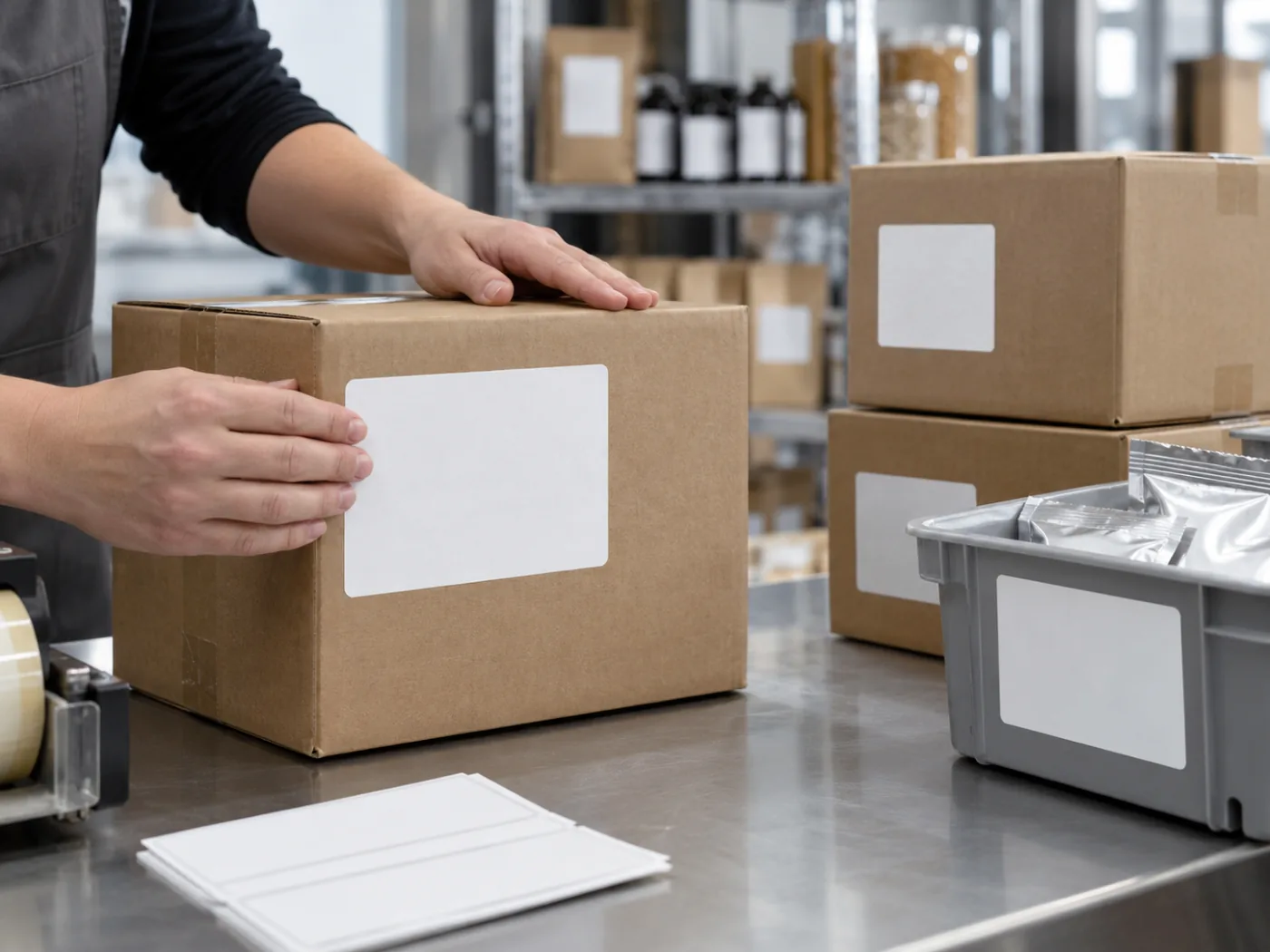
Converting & logistics
Choose the construction around the real application
Confirm the facestock, adhesive, release liner, print process and roll direction together. Testing on the actual bottle, carton or reusable bin helps verify adhesion, dispensing and barcode durability before production.
All materials in this range are available as self-adhesive label stock in jumbo rolls or slit rolls. Choosing between polypropylene and polyester film? Read BOPP vs PET label material before requesting samples.
Request a quote or a free sample
Send us your facestock, adhesive, liner and roll specification. Low MOQ, OEM/ODM, export to 60+ countries.